
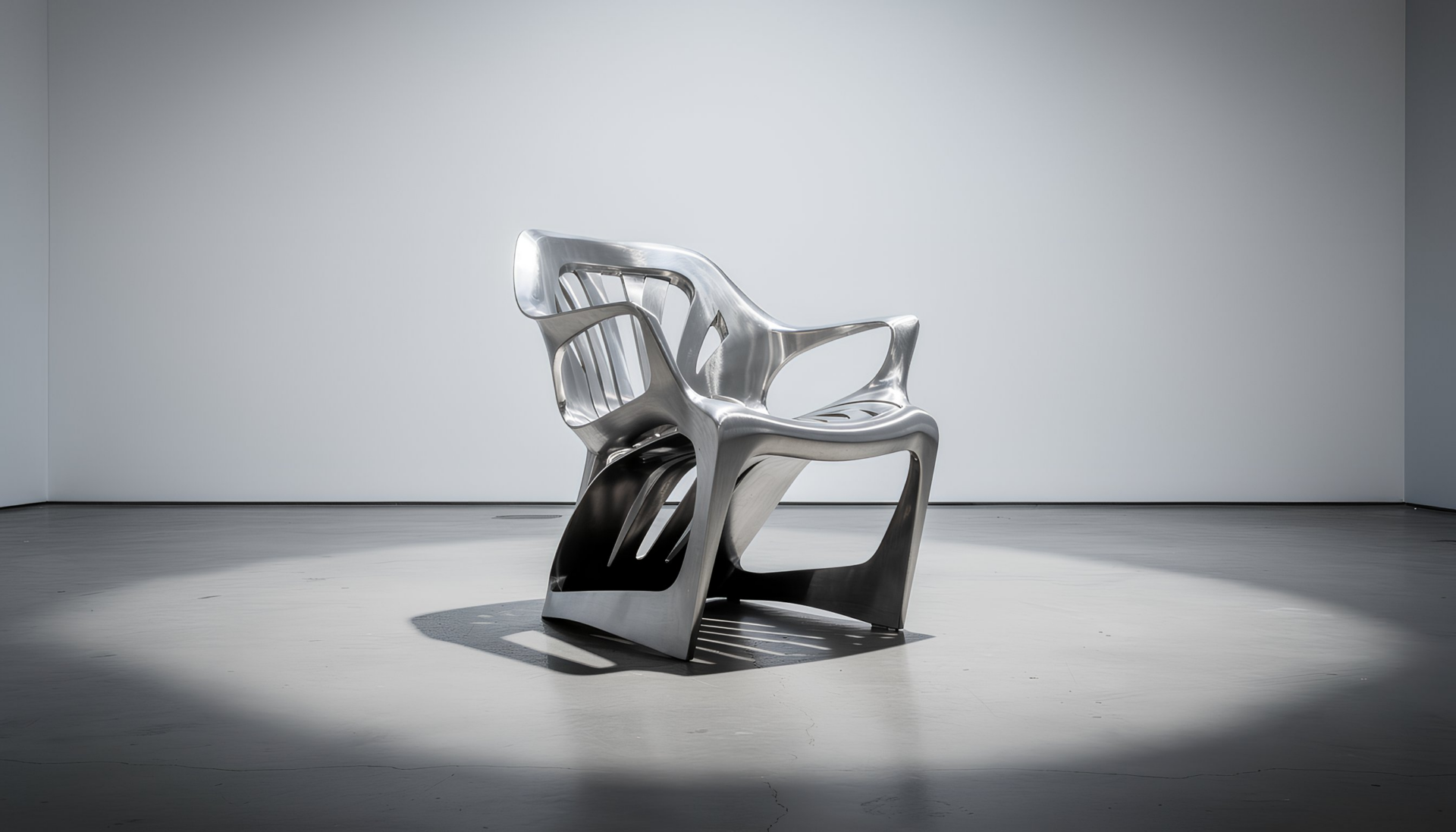
Quick Answer: A visually polished website can still be hard to use. Usability depends on clarity, structure, and intention, not on how impressive a design looks.
Beautiful websites are everywhere. Smooth animations, carefully composed layouts, striking imagery, and polished interactions. At first glance, they feel modern, confident, and professionally designed. They look like they should work well.
And yet, many of them don’t.
Users struggle to understand where to start. Navigation feels unintuitive. Key information is harder to locate than expected. Simple tasks take longer than they should, not because of errors, but because the path forward isn’t clear. The experience feels demanding in subtle ways.
Nothing is technically broken. Buttons respond. Pages load. Interactions behave as designed. Still, something feels off. Users hesitate, second-guess their actions, or abandon the experience altogether, often without being able to explain why.
This is the illusion of good design: when visual refinement creates confidence on the surface, clarity, structure, and usability haven’t been given the same attention underneath.
When Design Gets in the Way
Visual design is powerful. It shapes first impressions, signals brand values, and sets expectations. A refined interface can feel trustworthy within seconds, giving users confidence that they’re in the right place.
The problem begins when visual impact becomes the primary objective rather than a supporting one.
In many visually polished websites, aesthetic decisions are made before usability is fully considered. Call-to-action buttons blend into the layout instead of standing out. Navigation menus are minimized, hidden, or deprioritized in favor of large visuals or animated elements. Important information is pushed below the fold while decorative components take center stage.
Animation, in particular, often shifts from being a functional aid to becoming the main feature. Transitions slow down interaction. Motion competes for attention instead of guiding it. What was meant to enhance the experience ends up interrupting it, making users work harder to locate menus, understand page structure, or identify what to do next.
People don’t visit websites to admire design choices. They come with intent: to find information, complete a task, or make a decision. When visual elements compete instead of supporting that intent, the experience becomes harder, not better.

Why Understanding Your Users Comes First
Design decisions don’t exist in a vacuum. Every website is used by people with different levels of experience, confidence, and familiarity with digital interfaces.
Personas help teams keep those differences in mind. They’re not about fictional characters or edge cases, they’re a way to anchor decisions in real user needs, expectations, and limitations.
This becomes especially important when a website serves a broad audience. For users with little experience navigating complex interfaces, an overdesigned page can feel immediately overwhelming. Too much motion, unclear navigation, competing elements, and hidden actions don’t feel “modern” they feel confusing.
When someone enters a visually dense interface and doesn’t immediately know where to look or what to do, hesitation sets in. A few seconds of uncertainty is often enough for users to disengage and leave, not because the content isn’t relevant, but because the experience feels demanding.
Personas act as a reminder of that moment. They help teams ask whether the design guides users forward or expects them to figure things out on their own. Without that check, experiences often end up optimized for confident, design-literate users, while everyone else quietly drops off.
Good UX doesn’t assume familiarity. It earns understanding.
Design That Works Because It’s Balanced
Good design isn’t a compromise between beauty and usability. It’s the result of refusing to separate them in the first place.
When visual decisions are made without structure or user intent, design becomes performance. When usability is addressed without care for expression, experiences become forgettable. The most effective digital products sit in between, where clarity guides form, and form reinforces meaning.
This balance doesn’t happen by accident. It comes from deliberate choices: prioritizing understanding over novelty, structure over spectacle, and users over trends. It requires resisting the temptation to design for applause and instead designing for use.
At Plus972, usability and visual design are developed together from the start. We don’t treat UX as a constraint on creativity, or aesthetics as an afterthought. By merging the two, we create experiences that are distinctive without being distracting, and expressive without sacrificing clarity.
The result is work that looks confident because it works, digital experiences that feel intentional, functional, and human. Not just memorable, but usable. Not just beautiful, but effective.Because in the end, the best design isn’t the one that demands attention.
It’s the one that helps people move forward, effortlessly.